
Aboul Ḥasan Isphani (ابو الحسن اصفھانی) was one of the closest aides of Muḥammad Ali Jinnah. He was a fellow lawyer and at the 29th session of Muslim League held in Allahabad in 1942, Isphani moved the resolution which was passed, giving full powers to Muhammad Ali Jinnah for leading the Muslim League.
After independence, he became Member Pakistan Constituent Assembly in 1947, and toured the United States as personal representative of Jinnah.
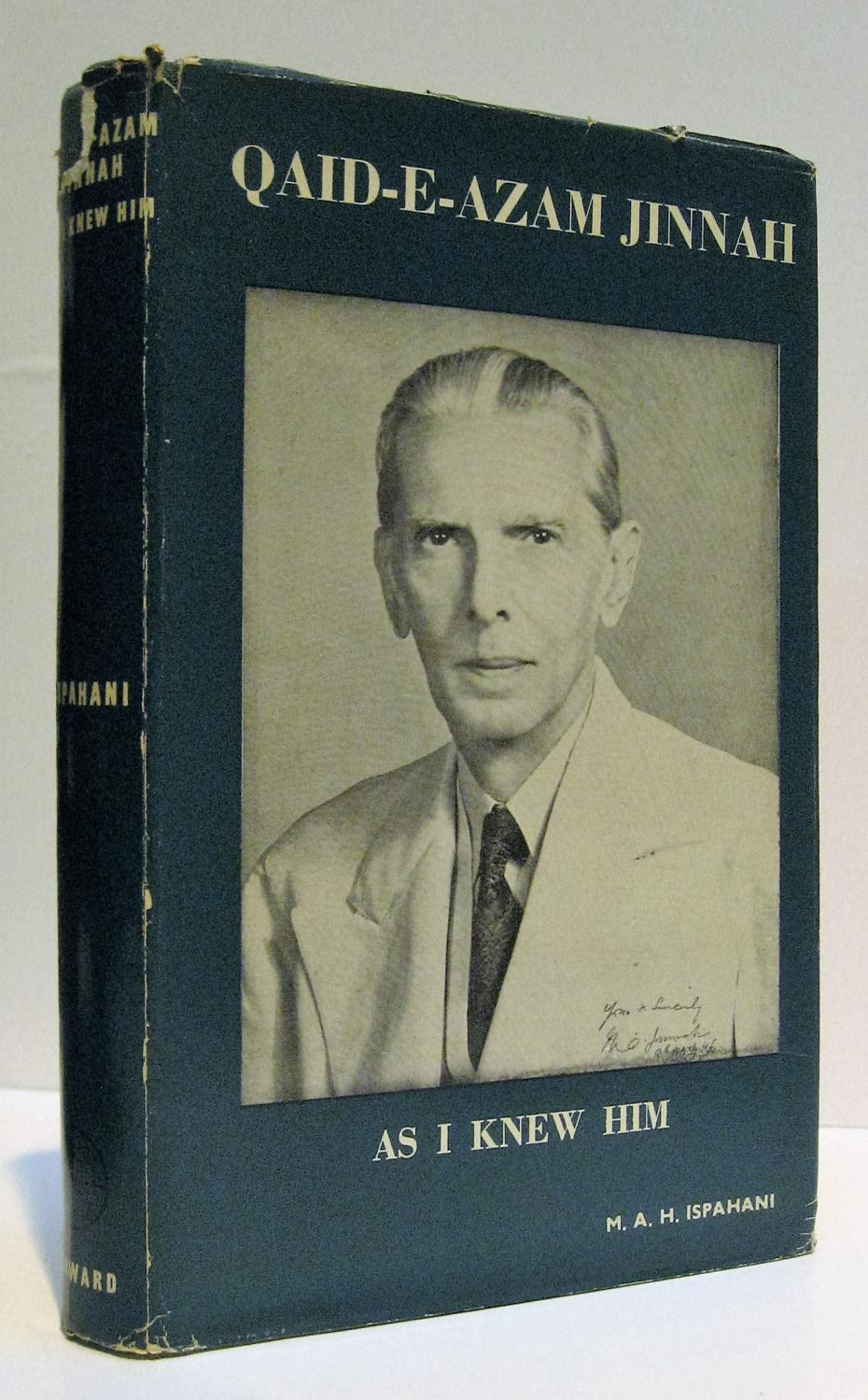
In his well-known biography-memoir which Abul Ḥassan Isphani wrote about Muhammad Ali Jinnah, titled “Qaid-e-Azam: Jinnah As I Knew Him”, he writes that after leaving Ismailism himself, Jinnah spoke with Aga Khan III and tried convincing him to leave leadership of his Ismaili cult.
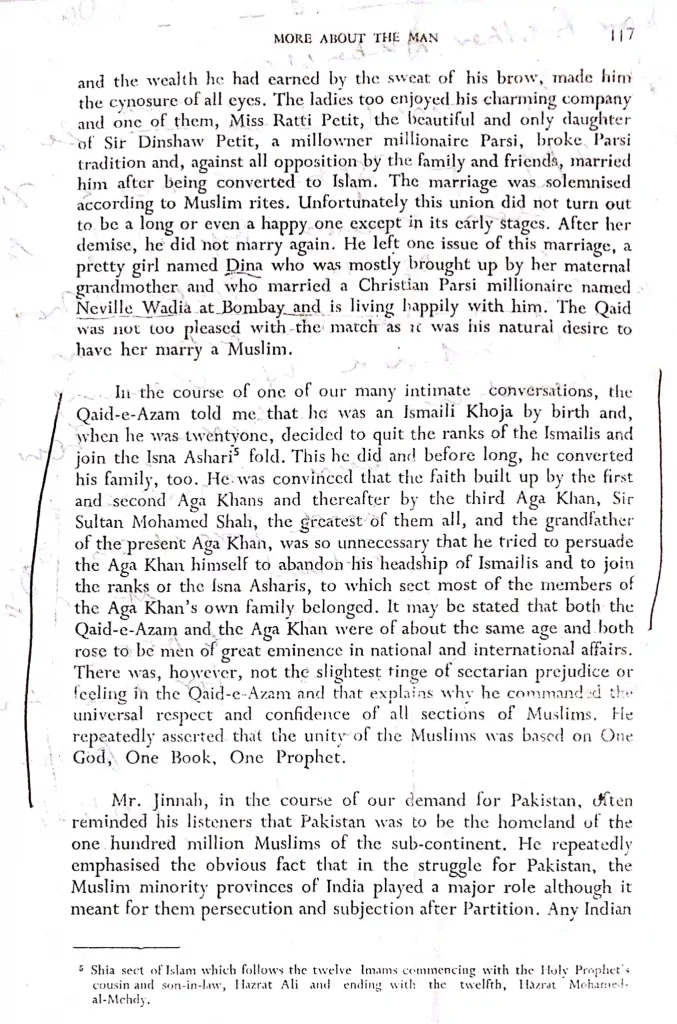
Here is the excerpt from the book:
In the course of one of many intimate conversations, the Qaid-e-Azam told me that he was an Ismaili Khoja by birth and when he was twenty-one, decide to quit the ranks of the Ismailis and join the Isna Ashari fold. This he did and before long, he converted his family, too. He was convinced that the faith built up by the first and second Aga Khans and thereafter by the third Aga Khan, Sir Sultan Mohamed Shāh, the greatest of them all and the grandfather of the present Aga Khan, was so unnecessary that he tried to persuade the Aga Khan himself to abandon his headship of Ismāʿīlīs and to join the ranks of the Isna Asharis, to which sect most of the members of the Aga Khan’s own family belonged.Isphani, Qaid-e-Azam Jinnah As I Knew Him
Here is the original scanned page:
Jinnah knew Aga Khan very closely and was neither convinced like millions of Ismāʿīlīs are today, that Aga Khan was the mushkil-kusha, forgiver of sins and the ‘Living Imām’ of the Ismāʿīlīs, nor was Aga Khan himself able to convince Jinnah of his position as “the walking and talking” Qurʼān.